Reiki Energy Healing
Reiki is translated to mean ‘universal healing energy.’ It is relaxing form of holistic therapy that involves gentle laying of hands either directly above or lightly on the clothed body. Using nonmanipulative, noninvasive and gentle touch the practitioner works slowly over the front and back bodies in a progression of hand positions.
Reiki was rediscovered by the Japanese Tendai Buddhist, Mikao Usui in the late 1800’s and passed along a lineage from Japan to the U.S and around the world. Reiki is practiced by thousands of people and available in over 800 hospitals including esteemed medical centers such as the Yale Cancer Center, Cleveland Clinic, the Mayo Clinic and John’s Hopkins.
During a flight, fight, or freeze response, emotions are often buried that assist a person through a traumatic experience. Reiki gently helps to release those trapped emotions and free them from their trauma.
Evidence based research has shown that Reiki helps to:
decrease anxiety and depression
lowers blood pressure
reduce pain and fatigue
increase relaxation
support an overall sense of well-being
Reiki may be practiced hands on or hands off, which can be helpful for patients who are especially vulnerable. Another benefit of Reiki is the practice of self-healing in which the practitioner initiates the Reiki within themselves and places hands on their own body.
Reiki can be done in person or through distance and helps to treat holistic concerns physically, emotionally, mentally and even spiritually.
My Reiki Journey
After going through my own dis~ease process and journey, I turned to alternative therapies to better understand the emotional aspects and mind-body connection in healing. I received my first Reiki Attunements in 1998 and went on to study with my teacher, becoming a Reiki Master in 1999, able to teach and pass on attunements. At that time Reiki was rarely heard of and considered a New Age ‘trend,’ but yet showing positive healing results in a variety of settings.
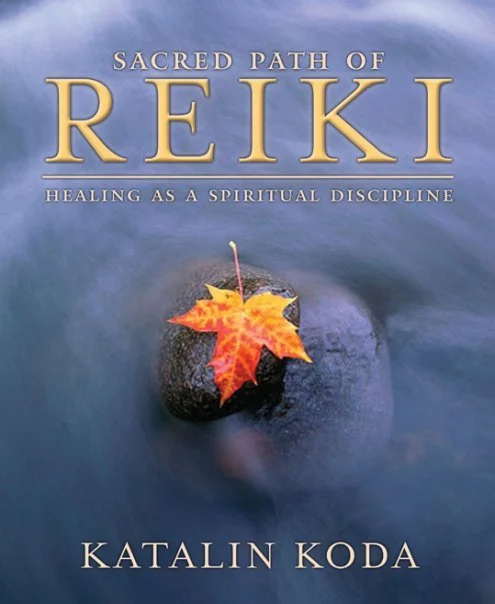
Living in India for several years I studied more Reiki as well as meditation, Yoga, Buddhist practices and developed my Reiki practice, giving hundreds of sessions and teaching dozens of students. I wrote my book, Sacred Path of Reiki: Healing as a Spiritual Discipline after 10 years of practice, just as I was beginning to get a sense of the work. I have found that Reiki is one of the most gentle, affirming and compassionate practices that is very simple to learn and use daily.
Your Reiki Questions, Answered
-
Reiki is a gentle, relaxation-based practice that involves light touch or hands held just above the body. In this setting, it is offered as a mindfulness-supportive service designed to help regulate the nervous system, reduce stress, and promote a sense of calm and awareness.
-
While not a psychotherapy intervention, Reiki can complement clinical work by supporting:
Nervous system regulation
Stress and anxiety reduction
Mindfulness and body awareness
Emotional grounding
Sleep quality
Many clients experience it as a structured opportunity to slow down and reconnect with their body in a safe, quiet environment.
-
No. Reiki sessions are not psychotherapy and do not replace mental health treatment.
As a Licensed Clinical Social Worker, I offer Reiki as a separate, complementary service that may support overall well-being. If you are a therapy client, we can discuss how this may or may not fit into your broader care plan.
-
This offering may be a good fit if you are:
Feeling chronically stressed or overwhelmed
Interested in mindfulness-based approaches
Looking for a structured way to rest and reset
Engaged in therapy and wanting additional support for regulation
-
Sessions are conducted in a calm, professional setting. You’ll remain fully clothed, lying comfortably on a table.
The session may include:
Brief grounding or breathing at the beginning
Light, still hand placements or hands held just above the body
Quiet time for rest and internal awareness
There is minimal talking during the session to support a mindful, restorative experience.
-
Experiences vary. Common responses include:
Deep relaxation
A sense of calm or mental quiet
Increased body awareness
Feeling more grounded
Some individuals notice warmth or subtle physical sensations; others simply experience rest. There is no “right” way to feel.
-
Yes. Reiki is non-invasive and generally considered safe for most individuals.
If you have a history of trauma, we can discuss pacing and comfort to ensure the experience feels safe and appropriate for you.
-
No. Many clients engage with sessions simply as a guided rest or mindfulness experience, without any specific beliefs.
-
You can book hourly, 90 minute or 2 hour sessions, see rates.
Some clients schedule occasional sessions for stress relief, while others incorporate them more regularly as part of a self-care or wellness routine.
Visit the shop to book weekly and monthly packages. Contact for questions and scheduling.
-
You can reach us anytime via our contact page or email. We aim to respond quickly—usually within one business day.