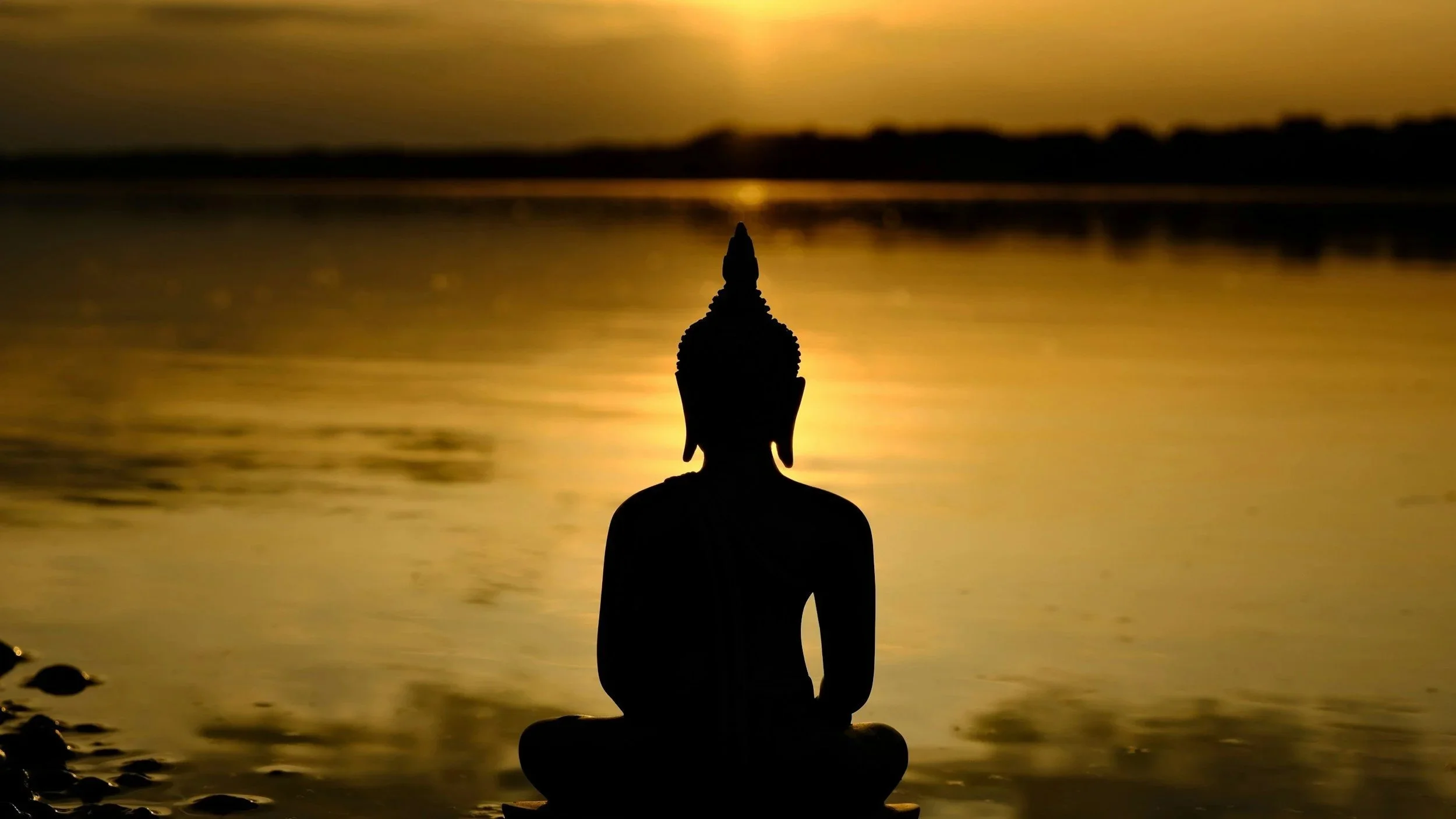
Mindfulness as a therapeutic method
The practice or method of mindfulness meditation has become increasingly popular in therapeutic circles. With a growing body of evidence-based research showing the positive effects that mindfulness has on our nervous system, many people are integrating these tools in their practice.
We know from Western science that mindfulness helps to:
reduce anxiety
aid the treatment of clinical depression
manage chronic pain
build inner resilience to external factors
reduce reaction
recalibrate the nervous system
The overall improvement of well-being is clearly documented. Mindfulness practices include focusing on one’s breath, cultivating a clear and settled mind and learning how to use awareness throughout your day.
Where did mindfulness come from?
The practice of mindfulness, or insight meditation known as Vipassana, can be traced back through various lineages to ancient Indian spiritual traditions, primarily Buddhism. Over 2500 years ago the Buddha taught mindfulness concepts to disciples to alleviate suffering and the causes of suffering.
These practices were adapted to the West by by Jon Kabat-Zinn in the 1970s through Mindful-Based Stress Reduction. Kabat-Zinn adapted Buddhist practices for medical and therapeutic use, integrating influences from Zen, Tibetan, and Vipassana traditions. Since then mindfulness techniques, methods and usage are taught and used widely.
As a trained Buddhist practitioner, I first learned mindfulness meditation techniques while living in India. During my seven years there I had the opportunity to study with various masters and teachers which continues to support my personal practice as well as inform my work with clients in therapy, end-of-life and hospice settings.
Mindfulness as a practice
Like many arts and disciplines that traveled from India to the West, context is often lost, distorted and oversimplified. The environment of disciplined practitioners in community practicing mindfulness in a monastery or nunnery in ancient and even modern-day south Asia has a very different relational aspect to how we might use this in modern Western life.
And yet the science bears out that the practice holds true even in our complicated world that faces an onslaught of difficulties resulting in mental health concerns. Incorporating techniques such as the body scan, mindful walking, sensory awareness and practicing non-judgmental observation allows us to not only develop better mental health but also improve our relationships and connections with one another.